"Research is formalized curiosity. It is poking and prying with a purpose."
- Zora Neale
These are a few of the links members of HSJGS use, as well as some useful recommendations.
| Reference and Research Websites by category: | |
| Maps | davidrumsey.com (free) - Details |
| Beginning Genealogy Help | https://www.familysearch.org/en/wiki/Family_History_for_Beginners (free) - Details |
| General Genealogy Resource Guide | familysearch.org/en/wiki/Main Page (free) - Details |
| Civil War Records, Union | CivilWarRecords.com (document fees) - Details |
| Veteran's Records | birls.org (free) - Details fold3.com (requires a subscription) - Details FamilySearch collections (free) - Details |
| Genetic Genealogy | familytreedna.com (sells an assortment of DNA testing kits and hosts results) - Details |
| African American Genealogy | The Afro-American Historical and Genealogical Society, Inc. (AAHGS) (free) - Details |
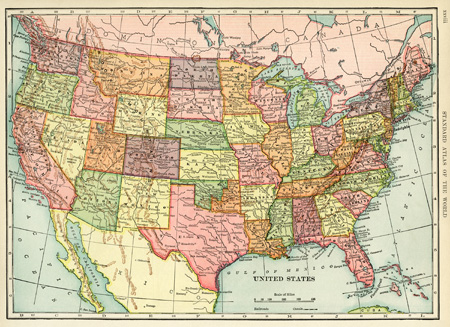
David Rumsey Maps The David Rumsey Map Collection has over 142,000 items online, ranging in date from around 1550 to the present. The site is completely free, and includes a variety of tools that allow users to compare and analyze maps in multiple ways. Maps from different time periods can be compared side-by-side, and collections can be created by saving groups of images together. Each image is accompanied by complete cataloging data to allow for in-depth searches within a collection.
Tip:
Check county and state boundaries for the year being researched when deciding where to look for records as borders, especially county lines, changed through the years.
FamilySearch can be overwhelming and easily underutilized. For those just getting started researching their family free the FamilySearch wiki provides some guidelines. The FamilySearch website requires an account, however, there is no charge.
There is also a FamilySearch Research Wiki which includes locality pages for countries around the world and topic pages that include genealogy record types explaining how to use the record, what it contains, and how to find it.
Tip:
Take the time to document your sources, retaining copies of the pertinent records with citations. Building a source file as you work will save countless hours later, especially should contradictory information appear.
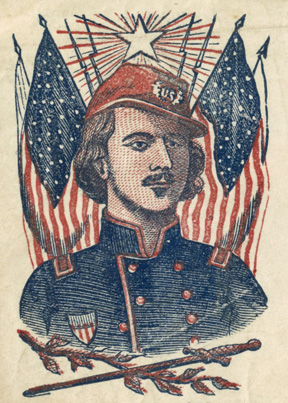
Record Retrieval & Research at the National Archives is available at this site. The majority of military records have not been digitized and are only available at the National Archives. David Rhinehart is a regular researcher for the television show, Finding Your Roots!, and provides military files quicker and at a more reasonable rate than the staff at the National Archive.
Also on the website is a blog providing more information as to the types of records available.
Tip:
The 1910 census asked if the person was a veteran of the Civil War. This answer reveals whether a search for military records will be successful or not.
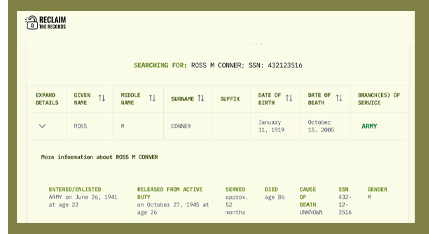
The Reclaim the Records BIRLS (Beneficiary Identification Records Locator System) website provides basic military information of enlistment and discharge dates, as well as birth and death dates. The site is free of charge.
Fold3, which is owned by Ancestry.com, is another online source for researching US military records. A subscription is required, however, a large number of records are available free of charge. From the bottom of the page, click "List All Records", then look for collections that have a "Free" icon in their title.
Tip:
Access to 3Fold is free in the Duffin Room of the Hemet Public Library and HSJGS volunteers are available to assist you with your search.
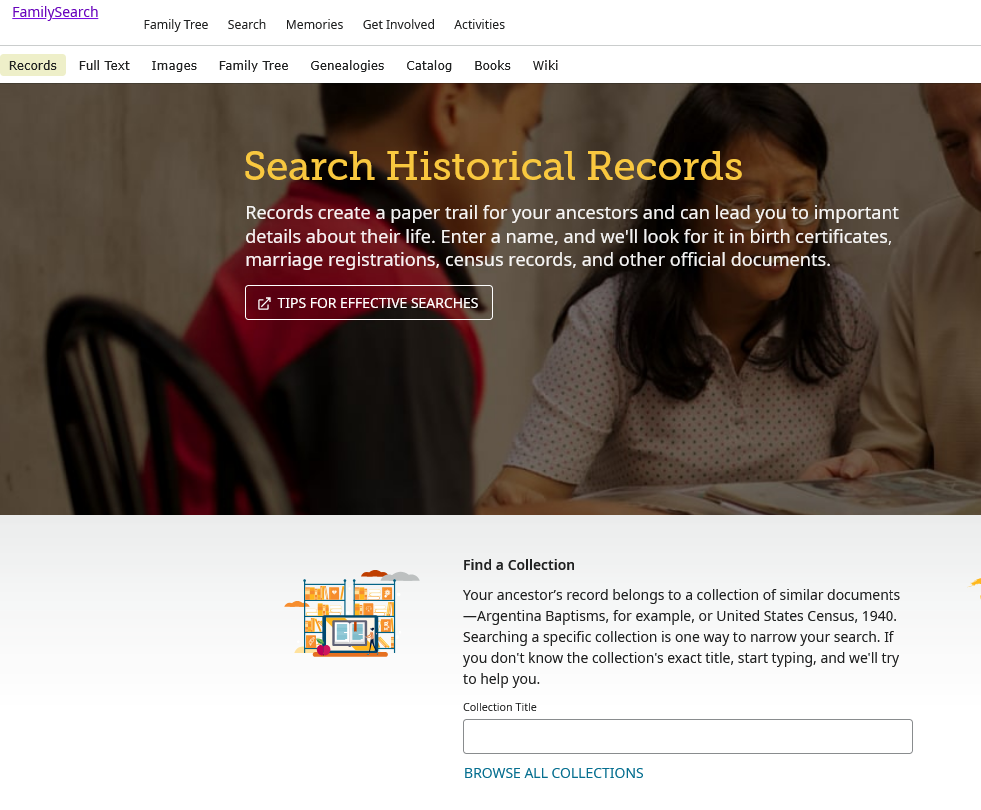
Searching historical records at FamilySearch will provide a large selection of military records. Scroll down on the page to find a collection and enter the word "military" to view the offerings. A more specific search of "pensions", for instance, will narrow the search. When the indexed records are located on Fold3 they can be searched on FamilySearch but record images will only be available on Fold3.

Every person researching their family tree will eventually come up against a "brick wall" where they simply can't proceed any further.
23andme, Ancestry, MyHeritage and other sites offer DNA testing kits. Once a genome is uploaded these sites provide matches to other people who have tested, which can provide much needed clues.
FamilyTreeDNA provides an assortment of DNA testing kits and hosts the results. It is also possible to link your FamilyTreeDNA results with two of the world’s most powerful tree-building platforms, WikiTree and MyHeritage. Linked results will reveal other descendants of your ancestors whose DNA tests could be used to scientifically confirm relationships in your family tree.
Tip:
Sites offering DNA testing generally allow genome from other sites to be uploaded to expand their gene pool. A fee may be required.
Tip:
A member of HSGJS, Glenn Whitlock, is an experienced genetic genealogist who generously shares his knowledge.
The Afro-American Historical and Genealogical Society, Inc. (AAHGS) is a non-profit 501(c)3, which strives "to promote scholarly research, provide resources for historical and genealogical studies, create a network of persons with similar interests, and assist members in documenting their histories."
The AAHGS research page offers "Genealogy 101" with links to blogs and pod-casts which may be of interest as well as numerous research sites geared toward the beginning genealogist. The section under "Web-based resources" includes subject based sites for in-depth research.