Veteran Glenn Smith
Glenn probably wouldn’t have survived the war if he had followed orders to stay in bed.
Glen V. Smith was born July 19, 1898, on his parent’s farm in the Ligonier Valley of Westmoreland County, in the state of Pennsylvania. He started to school at the age of six years, in a two-story schoolhouse near the community of Waterford. In 1912, due to his fathers health, his parents sold the farm where he was born. On March 29, they left for California and arrived in Los Angeles on April 2.
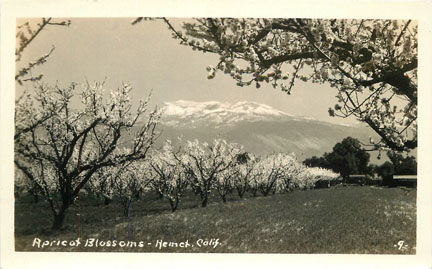
On the same day of their arrival, the family boarded the red cars of the Pacific Electric and went to Santa Ana. In the meantime, his father, Ephraim Smith, took the Santa Fe train to Hemet where he purchased a five-acre apricot grove in the Little Lake District.
The years rolled by, and World War I came along. Glen had to register for the draft, which was on July 1, 1918. On September 16, he was called up by the draft board to report for a physical examination at the draft board in Riverside. He was signed for duty as an ambulance driver and on October 15, he reported to the draft board. At 4:30 p.m. the same day, Glenn, along with about fifty other men from San Bernardino and Riverside, left for L.A.
They left on the Red Cars of the Pacific Electric Railroad and switched to the Southern Pacific train in Los Angeles, leaving there about 8:00 in the evening. With Glenn was Orville Weirson, Warren Crosby and a Mr. Morrow. They arrived in Spokane, Washington on Saturday, October 19, and walked about two miles from the station to the barracks, which was an old building that had been used as a skating rink. They filled their bed ticks with straw and settled in. Glenn attended church services on Sunday morning.
He went back to sleep and woke up about 2:00 a.m. to find his barracks were on fire.
Sunday afternoon Glenn felt a cold coming on. Feeling cold and achy he went to sick bay and reported to his sergeant. He was ordered to bed with a temperature of 101 degrees and by 10:00 p.m. it was 103 degrees. Captain William Scherwatt went to check on him and wrapped another blanket around him. He went back to sleep and woke up about 2:00 a.m. to find his barracks were on fire. The men were ordered to remain in their beds and told that they would be carried out. Glenn proceeded to dress against orders and walked to safety. He probably wouldn’t be here today if he had followed orders to stay in bed.
He was then taken by ambulance to Fort George Wright. About a week later, he was told that his friend Orville Weirson had died from the flu and two days later Warren Crosby died. Glenn was an orderly in the hospital until he was released. The Armistice was signed while he was there and he was discharged December 16, returning to his home in Hemet in time for Christmas.